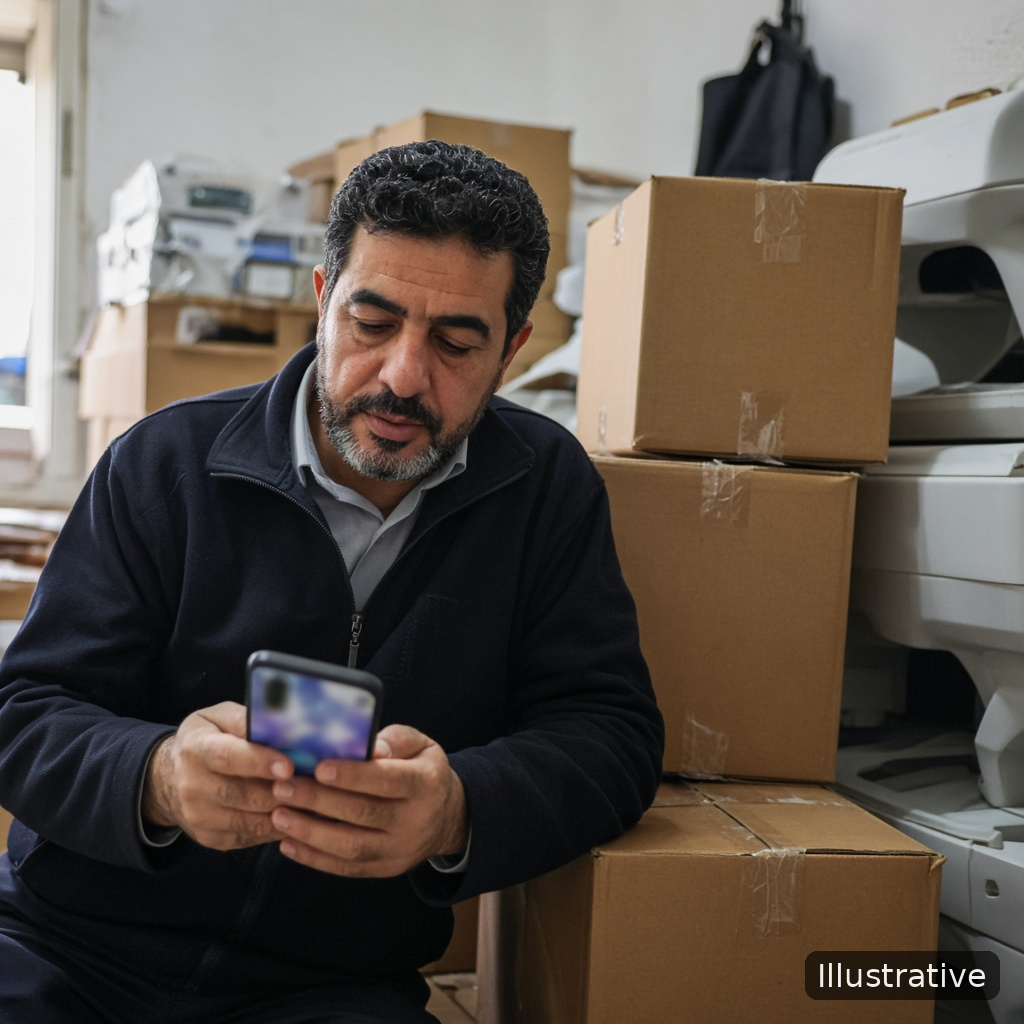
Picture this: a phone shop owner is serving three customers at the counter when the phone rings twice. Neither call gets answered. By evening, both numbers are buried under a dozen other notifications, and one of those callers has already bought a handset from the shop down the road. This story is illustrative, but the pattern is familiar to anyone who runs a small business alone or with a tiny team.
A missed call is not noise. Someone took the trouble to dial you. Treat every unknown missed call as a possible enquiry until you know otherwise, and give it a routine.
Why missed calls slip away
Missed calls disappear for ordinary reasons. You are with a customer, driving, on a site, or already on another call. The call log keeps the number but nothing else: no name, no reason for calling, no reminder. When you finally scroll back, you cannot tell which numbers were new buyers and which were suppliers or spam, so you call none of them.
The fix is not working harder. It is a short, repeatable habit that turns a bare number into a lead with a next step.
The same-day callback routine
- Capture it. As soon as you have a free minute, look at every missed call from a number you do not recognise. If it might be business, save it as a lead straight away, even with only a number and the time.
- Check history. Before you dial, look at whether this person has called, bought or enquired before. A returning customer deserves a different opening line from a stranger.
- Call back the same day. Set yourself a simple rule, such as returning every missed business call before closing time. A quick callback often reaches the person while they are still deciding.
- Leave a short message if they do not pick up. Say who you are, that you are returning their call, and when you will try again.
- Log the outcome. Write one line: what they wanted, and what happens next. Then put a date on that next action.
Batch callbacks around your busy hours
Most owners cannot stop mid-sale to return calls. Instead, pick two or three callback windows that suit your day, for example after the morning rush, after lunch and before closing. In each window, work through the missed calls in order: returning customers and people who called more than once first, then new numbers.
Keep each callback brief. The goal is to learn what they need and agree a next step, not to close everything on the spot.
What to say when you call back
- "Hi, this is the shop on Station Road. I missed your call earlier and wanted to get back to you."
- "How can I help?" Then listen, and note the product or service they mention.
- Before ending, agree something concrete: a visit, a quote, or a time to talk again.
Sounding prepared matters. If you already know they asked about a repair last month, mention it.
When a callback does not connect
Some people will not answer the first time. Do not let that number fall back into the call log. Mark it as a lead that needs a second attempt, set a reminder for the next day, and try once more. After two or three attempts with no reply, send a final short message and close it, so your list stays honest.
Running this routine in KroLead
Each step of this routine maps to something the KroLead Android app already does, as listed on Google Play and krolead.com:
- Caller context, in krolead.com's words: "See caller history, pipeline stage, notes, and 1-tap AI sales brief before you even answer the phone." CallPilot is optional and needs Android call permissions.
- Lead records with notes, a next action and a follow-up date.
- Follow-up alarms at the time you choose, plus a 30-day Agenda Calendar that shows due and overdue follow-ups.
- Prefilled WhatsApp templates that pull in the customer's details, for the short message you send yourself after an unanswered callback.
- Available in 32 languages.
For a small team, KroLead costs from ₹239/month ($8) per user; see plans and pricing on krolead.com.
Get KroLead from Google Play and start returning missed calls Free for the first month.
FAQ
Is there a sensible deadline for returning a missed business call?
The same day is a sensible rule for most small businesses. Sooner is better when you can manage it.
Should I call back numbers I do not recognise?
If your business takes enquiries by phone, yes. An unknown number may be a new customer.
How many callback attempts are enough?
Two or three attempts, followed by one short message, is a reasonable pattern before closing the lead.
Does KroLead return calls for me?
No. You make the call. KroLead helps you see context, log the outcome and set the next reminder.
No comments:
Post a Comment
THANKS FOR YOUR FEEDBACK